Buy mis1943.eu ?
We are moving the project
mis1943.eu .
Are you interested in purchasing the domain
mis1943.eu ?
domain@kv-gmbh.de · 0541-91531010
Buy mis1943.eu ?
Is it competitive or non-competitive inhibition?
It is non-competitive inhibition. This is because the inhibitor binds to an allosteric site on the enzyme, which is different from the active site where the substrate binds. This type of inhibition does not compete with the substrate for binding to the enzyme, hence the name non-competitive inhibition. **
Non-competitive inhibition, right?
Non-competitive inhibition is a type of enzyme inhibition where the inhibitor binds to a site on the enzyme that is not the active site. This binding causes a conformational change in the enzyme, making it less effective at catalyzing the reaction. Non-competitive inhibitors do not compete with the substrate for binding to the enzyme. Instead, they can bind to the enzyme-substrate complex or to a separate allosteric site on the enzyme. **


Similar search terms for Non-competitive
Top-Angebote
Products related to Non-competitive:
-
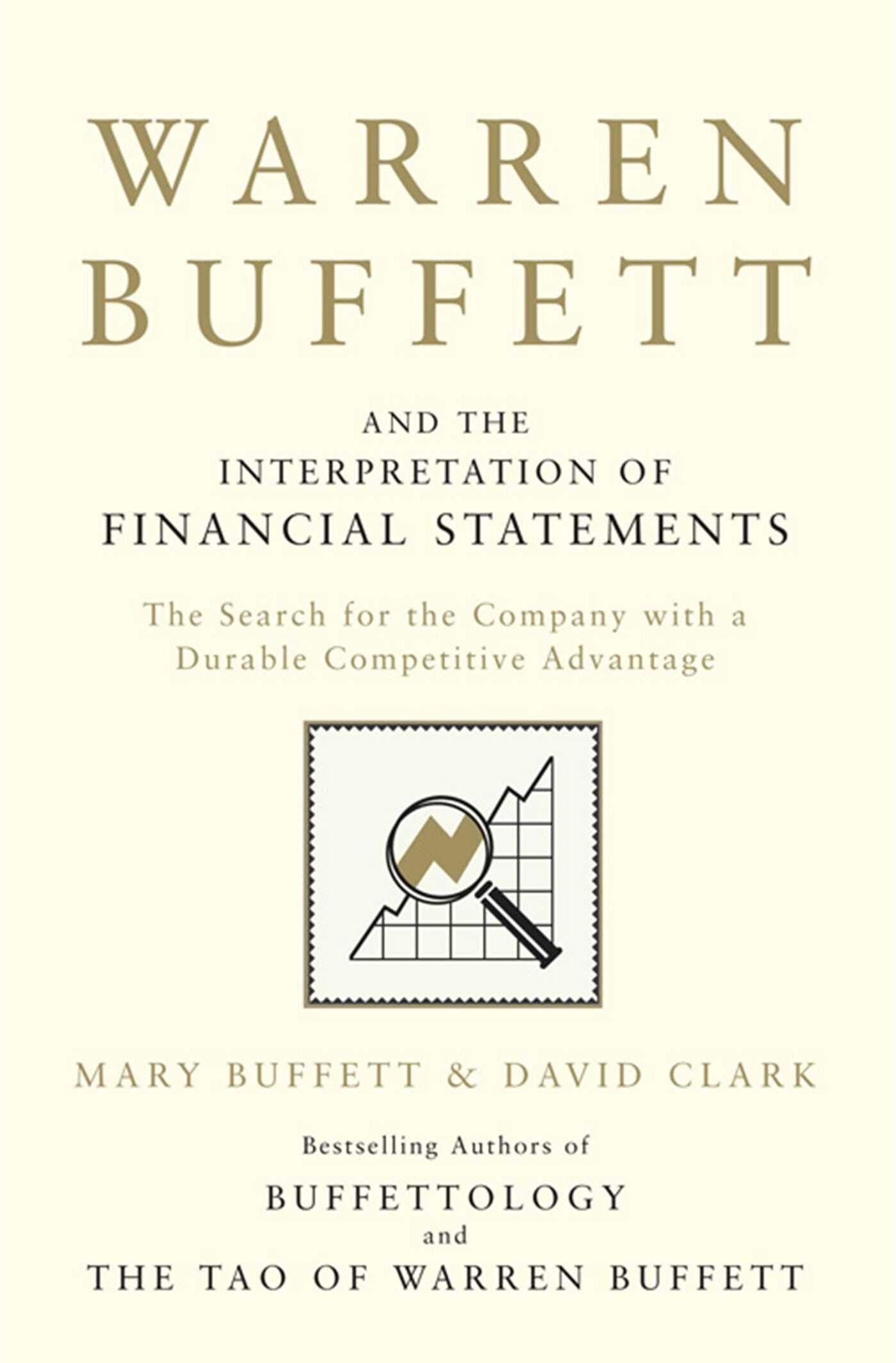
Simon and Schuster UK Warren Buffett and the Interpretation of Financial Statements: The Search for the Company with a Durable Competitive AdvantageWith an insider's view of the mind of the master, Mary Buffett and David Clark have written a simple guide for reading financial statements from Buffett's successful perspective. They clearly outline Warren Buffett's strategies in a way that will appeal to newcomers and seasoned Buffettologists alike. Inspired by the seminal work of Buffett's mentor, Benjamin Graham, this book presents Buffett's interpretation of financial statements with anecdotes and quotes from the master investor himself. Destined to become a classic in the world of investment books, Warren Buffett and the Interpretation of Financial Statements is the perfect companion volume to The New Buffettology and The Tao of Warren Buffett.4,95 £*Shipping: 1,99 £Secure redirect to the provider
-
Uplift Picks Retro Wall Clock Large Vintage Silent Non Ticking Classic Home Decor Retro Wall Clock Large Vintage Silent Non Ticking Classic Home DecorAdd timeless charm to your space with this beautifully styled retro wall clock. Inspired by classic American design, it brings a warm, nostalgic feel to any room. Its bold look and clear display make it both decorative and practical for everyday...126,00 $*Shipping: 0,00 $Secure redirect to the provider
-
Gretsch Synchromatic 200 Sunburst c.1940s Vintage Archtop Acoustic Guitar Vintage Sunburst - RefurbishedThis is an incredible Gretsch Synchromatic 200 in Sunburst finish. This model was introduced by the original incarnation of Gretsch in 1939. The company was founded in Brooklyn, New York in 1883 by Friedrich Gretsch, initially as a drum manufacturer. The Synchromatic 200 was introduced in 1939 and discontinued by 1946. The serial number of this instrument is 3 digits handwritten on the inside of the body, indicating that it was made before Gretsch changed their serial number system in 1945/6. The Synchromatic 200 is an archtop acoustic guitar which features a set-neck construction comprising a Spruce top, Maple back and sides, Maple neck and 20 fret Rosewood fingerboard inlaid with Abalone blocks. The body is double-bound, with cateye soundholes, 'stairstep' Rosewood bridge, gold 'Harp' tailpiece & gold open-geared tuning machines. This particular instrument has been fitted with an Artec MHPA95-GD Mini Humbucker, which is wired directly to a 3.5mm output jack mounted discreetly under the pickguard. The Maple neck plays very well, with a profile which can be described as Asymmetrical; considerably shallower on the treble side and deeper on the bass side. This is certainly a unique playing experience when compared with modern guitars, and provides the Synchromatic 200 with a sense of exclusivity, which along with the playwear that the neck has developed over the years is very inspiring in the hands. The Rosewood of the fingerboard is pleasant under the fingers, with a 10" radius that is practical for a wide range of playing styles and techniques. The large Abalone block inlays add a touch of luxury, reminding the player of Gretsch's golden age. The acoustic voice of the Synchromatic 200 is distinctly archtop, with a dark and mellow tone that is perfect for jazz playing. Thanks to the large stature of the body and the twin large soundholes, the instrument projects very well and produces plenty of volume. The addition of the Artec MHPA95-GD Mini Humbucker adds the versatility required for live and recording situations, and despite its lack of on-board control produces a rich, mellow tone which is highly usable in a wide range of musical contexts. This is a beautifully preserved example of Gretsch's early work, which remains beautifully practical and playable today.3230,00 £*Shipping: 0,00 £Secure redirect to the provider
-
The Black History Month Bundle 4 Books Collection Set - Fiction/Non Fiction - Paperback Books2DoorThis Black History Month, we’re excited to expand our Black Voices collection with a specially curated set for you, our beloved readers! We believe it’s essential to amplify Black voices and ensure they are heard loud and clear. To start, we’re offering a selection of books that span contemporary perspectives to historical insights. Start with Queenie, a modern classic that resonates with today’s audience, exploring the complexities of identity and belonging. Then, dive into Black and British, an essential non-fiction work that highlights the importance of understanding our history through the lens of Black voices, stories that must be shared and celebrated. We also have some beloved favourites to enrich your reading experience. The Color Purple is a powerful tale of resilience and empowerment that continues to inspire readers. Plus, don’t miss Keep the Receipts by The Receipts Media Ltd, a popular non-fiction book from our favourite podcasters that offers fresh perspectives and engaging conversations. Let’s celebrate Black voices together this month and beyond! Titles in this set: 1. The Color Purple: by Alice Walker (Fiction) 2. Queenie: by Candice Carty-Williams (Fiction) 3. Black and British: A Forgotten History: by David Olusoga (Non-Fiction) 4. Keep the Receipts: by The Receipts Media Ltd (Non-Fiction) Description: The Color Purple Set in the deep American South between the wars, THE COLOR PURPLE is the classic tale of Celie, a young black girl born into poverty and segregation. Raped repeatedly by the man she calls 'father', she has two children taken away from her, is separated from her beloved sister Nettie and is trapped into an ugly marriage. But then she meets the glamorous Shug Avery, singer and magic-maker - a woman who has taken charge of her own destiny. Gradually Celie discovers the power and joy of her own spirit, freeing her from her past and reuniting her with those she loves. Queenie Queenie is a twenty-five-year-old Black woman living in south London, straddling Jamaican and British culture whilst slotting neatly into neither. She works at a national newspaper where she's constantly forced to compare herself to her white, middle-class peers, and beg to write about Black Lives Matter. After a messy break up from her long-term white boyfriend, Queenie finds herself seeking comfort in all the wrong places. As Queenie veers from one regrettable decision to another, she finds herself wondering, What are you doing? Why are you doing it? Who do you want to be? - the questions that every woman today must face in a world that keeps trying to provide the answers for them. A darkly comic and bitingly subversive take on life, love, race and family, Queenie will have you nodding in recognition, crying in solidarity and rooting for this unforgettable character every step of the way. A disarmingly honest, boldly political and truly inclusive tale that will speak to anyone who has gone looking for love and acceptance and found something...26,99 £*Shipping: 2,99 £Secure redirect to the provider



-
What is the difference between competitive and non-competitive inhibition?
Competitive inhibition occurs when a molecule competes with the substrate for the active site of the enzyme, thus reducing the enzyme's ability to bind with the substrate. Non-competitive inhibition, on the other hand, occurs when a molecule binds to a site on the enzyme other than the active site, causing a conformational change in the enzyme that reduces its activity. In competitive inhibition, increasing the substrate concentration can overcome the inhibition, while in non-competitive inhibition, increasing the substrate concentration does not alleviate the inhibition. **
-
Is non-competitive inhibition irreversible or reversible?
Non-competitive inhibition is a type of enzyme inhibition that is reversible. In non-competitive inhibition, the inhibitor binds to the enzyme at a site other than the active site, causing a conformational change in the enzyme that reduces its activity. This type of inhibition can be overcome by increasing the substrate concentration, as it does not involve permanent alteration of the enzyme. **
-
What is an example of non-competitive inhibition?
An example of non-competitive inhibition is the binding of an allosteric inhibitor to an enzyme at a site other than the active site. This binding causes a conformational change in the enzyme, which reduces its activity and prevents the substrate from binding to the active site. This type of inhibition does not compete with the substrate for binding to the active site, hence the term "non-competitive." An example of this is the binding of ATP to the enzyme phosphofructokinase in glycolysis, which inhibits its activity. **
-
Can you give me an example of competitive and non-competitive inhibition in biology?
Sure! In competitive inhibition, a molecule similar in structure to the substrate competes with the substrate for the active site of the enzyme. This prevents the substrate from binding to the enzyme and carrying out its normal function. An example of this is the drug statins, which competitively inhibit the enzyme HMG-CoA reductase, involved in cholesterol synthesis. In non-competitive inhibition, a molecule binds to the enzyme at a location other than the active site, causing a conformational change in the enzyme that reduces its activity. An example of this is the poison cyanide, which non-competitively inhibits the enzyme cytochrome c oxidase in the electron transport chain, disrupting cellular respiration. **


Is allosteric inhibition the same as non-competitive inhibition?
Allosteric inhibition and non-competitive inhibition are not the same, although they are related. Non-competitive inhibition refers to the binding of an inhibitor to a site on the enzyme that is not the active site, thereby preventing the substrate from binding to the active site. Allosteric inhibition, on the other hand, occurs when an inhibitor binds to a site on the enzyme that is distinct from the active site, causing a conformational change in the enzyme that reduces its activity. While both types of inhibition involve the binding of an inhibitor to a site other than the active site, allosteric inhibition specifically involves a change in the enzyme's shape and activity. **
What is the difference between non-competitive and allosteric inhibition?
Non-competitive inhibition occurs when an inhibitor binds to an enzyme at a site other than the active site, causing a conformational change that prevents the substrate from binding. This type of inhibition is not affected by the concentration of the substrate. On the other hand, allosteric inhibition occurs when an inhibitor binds to an allosteric site on the enzyme, causing a conformational change that reduces the enzyme's activity. Allosteric inhibition is often reversible and can be overcome by increasing the concentration of the substrate. **
Top-Angebote
Products related to Non-competitive:
-
All Categories Goods Premium Wooden Chess Clock Timer Classic Mechanical Chess Clock For Competitive Play & Home Games Premium Wooden Chess Clock Timer Classic Mechanical Chess Clock For Competitive Play & Home GamesTurn every match into a memorable showdown with this timeless chess clock timer, crafted for both serious players and casual game nights. Whether youre practicing strategy or competing with friends, its classic mechanical design brings reliable...99,97 $*Shipping: 0,00 $Secure redirect to the provider
-
Inspire Daily Merch Safe Kids Desktop Turtles Eat Beans Game Entertainment Educational Competitive Toy For Parent child Interaction 36 BeansEducational Fun for Kids The Kids Desktop Competitive Games Turtles Eat Beans toy is designed to offer hours of engaging fun while promoting valuable parentchild interaction. This safe and educational toy helps children develop essential skills such...69,97 $*Shipping: 0,00 $Secure redirect to the provider
-
Simon and Schuster UK Warren Buffett and the Interpretation of Financial Statements: The Search for the Company with a Durable Competitive AdvantageWith an insider's view of the mind of the master, Mary Buffett and David Clark have written a simple guide for reading financial statements from Buffett's successful perspective. They clearly outline Warren Buffett's strategies in a way that will appeal to newcomers and seasoned Buffettologists alike. Inspired by the seminal work of Buffett's mentor, Benjamin Graham, this book presents Buffett's interpretation of financial statements with anecdotes and quotes from the master investor himself. Destined to become a classic in the world of investment books, Warren Buffett and the Interpretation of Financial Statements is the perfect companion volume to The New Buffettology and The Tao of Warren Buffett.4,95 £*Shipping: 1,99 £Secure redirect to the provider
-
Uplift Picks Retro Wall Clock Large Vintage Silent Non Ticking Classic Home Decor Retro Wall Clock Large Vintage Silent Non Ticking Classic Home DecorAdd timeless charm to your space with this beautifully styled retro wall clock. Inspired by classic American design, it brings a warm, nostalgic feel to any room. Its bold look and clear display make it both decorative and practical for everyday...126,00 $*Shipping: 0,00 $Secure redirect to the provider
-
Is it competitive or non-competitive inhibition?
It is non-competitive inhibition. This is because the inhibitor binds to an allosteric site on the enzyme, which is different from the active site where the substrate binds. This type of inhibition does not compete with the substrate for binding to the enzyme, hence the name non-competitive inhibition. **
-
Non-competitive inhibition, right?
Non-competitive inhibition is a type of enzyme inhibition where the inhibitor binds to a site on the enzyme that is not the active site. This binding causes a conformational change in the enzyme, making it less effective at catalyzing the reaction. Non-competitive inhibitors do not compete with the substrate for binding to the enzyme. Instead, they can bind to the enzyme-substrate complex or to a separate allosteric site on the enzyme. **
-
What is the difference between competitive and non-competitive inhibition?
Competitive inhibition occurs when a molecule competes with the substrate for the active site of the enzyme, thus reducing the enzyme's ability to bind with the substrate. Non-competitive inhibition, on the other hand, occurs when a molecule binds to a site on the enzyme other than the active site, causing a conformational change in the enzyme that reduces its activity. In competitive inhibition, increasing the substrate concentration can overcome the inhibition, while in non-competitive inhibition, increasing the substrate concentration does not alleviate the inhibition. **
-
Is non-competitive inhibition irreversible or reversible?
Non-competitive inhibition is a type of enzyme inhibition that is reversible. In non-competitive inhibition, the inhibitor binds to the enzyme at a site other than the active site, causing a conformational change in the enzyme that reduces its activity. This type of inhibition can be overcome by increasing the substrate concentration, as it does not involve permanent alteration of the enzyme. **
Similar search terms for Non-competitive
-
Gretsch Synchromatic 200 Sunburst c.1940s Vintage Archtop Acoustic Guitar Vintage Sunburst - RefurbishedThis is an incredible Gretsch Synchromatic 200 in Sunburst finish. This model was introduced by the original incarnation of Gretsch in 1939. The company was founded in Brooklyn, New York in 1883 by Friedrich Gretsch, initially as a drum manufacturer. The Synchromatic 200 was introduced in 1939 and discontinued by 1946. The serial number of this instrument is 3 digits handwritten on the inside of the body, indicating that it was made before Gretsch changed their serial number system in 1945/6. The Synchromatic 200 is an archtop acoustic guitar which features a set-neck construction comprising a Spruce top, Maple back and sides, Maple neck and 20 fret Rosewood fingerboard inlaid with Abalone blocks. The body is double-bound, with cateye soundholes, 'stairstep' Rosewood bridge, gold 'Harp' tailpiece & gold open-geared tuning machines. This particular instrument has been fitted with an Artec MHPA95-GD Mini Humbucker, which is wired directly to a 3.5mm output jack mounted discreetly under the pickguard. The Maple neck plays very well, with a profile which can be described as Asymmetrical; considerably shallower on the treble side and deeper on the bass side. This is certainly a unique playing experience when compared with modern guitars, and provides the Synchromatic 200 with a sense of exclusivity, which along with the playwear that the neck has developed over the years is very inspiring in the hands. The Rosewood of the fingerboard is pleasant under the fingers, with a 10" radius that is practical for a wide range of playing styles and techniques. The large Abalone block inlays add a touch of luxury, reminding the player of Gretsch's golden age. The acoustic voice of the Synchromatic 200 is distinctly archtop, with a dark and mellow tone that is perfect for jazz playing. Thanks to the large stature of the body and the twin large soundholes, the instrument projects very well and produces plenty of volume. The addition of the Artec MHPA95-GD Mini Humbucker adds the versatility required for live and recording situations, and despite its lack of on-board control produces a rich, mellow tone which is highly usable in a wide range of musical contexts. This is a beautifully preserved example of Gretsch's early work, which remains beautifully practical and playable today.3230,00 £*Shipping: 0,00 £Secure redirect to the provider
-
The Black History Month Bundle 4 Books Collection Set - Fiction/Non Fiction - Paperback Books2DoorThis Black History Month, we’re excited to expand our Black Voices collection with a specially curated set for you, our beloved readers! We believe it’s essential to amplify Black voices and ensure they are heard loud and clear. To start, we’re offering a selection of books that span contemporary perspectives to historical insights. Start with Queenie, a modern classic that resonates with today’s audience, exploring the complexities of identity and belonging. Then, dive into Black and British, an essential non-fiction work that highlights the importance of understanding our history through the lens of Black voices, stories that must be shared and celebrated. We also have some beloved favourites to enrich your reading experience. The Color Purple is a powerful tale of resilience and empowerment that continues to inspire readers. Plus, don’t miss Keep the Receipts by The Receipts Media Ltd, a popular non-fiction book from our favourite podcasters that offers fresh perspectives and engaging conversations. Let’s celebrate Black voices together this month and beyond! Titles in this set: 1. The Color Purple: by Alice Walker (Fiction) 2. Queenie: by Candice Carty-Williams (Fiction) 3. Black and British: A Forgotten History: by David Olusoga (Non-Fiction) 4. Keep the Receipts: by The Receipts Media Ltd (Non-Fiction) Description: The Color Purple Set in the deep American South between the wars, THE COLOR PURPLE is the classic tale of Celie, a young black girl born into poverty and segregation. Raped repeatedly by the man she calls 'father', she has two children taken away from her, is separated from her beloved sister Nettie and is trapped into an ugly marriage. But then she meets the glamorous Shug Avery, singer and magic-maker - a woman who has taken charge of her own destiny. Gradually Celie discovers the power and joy of her own spirit, freeing her from her past and reuniting her with those she loves. Queenie Queenie is a twenty-five-year-old Black woman living in south London, straddling Jamaican and British culture whilst slotting neatly into neither. She works at a national newspaper where she's constantly forced to compare herself to her white, middle-class peers, and beg to write about Black Lives Matter. After a messy break up from her long-term white boyfriend, Queenie finds herself seeking comfort in all the wrong places. As Queenie veers from one regrettable decision to another, she finds herself wondering, What are you doing? Why are you doing it? Who do you want to be? - the questions that every woman today must face in a world that keeps trying to provide the answers for them. A darkly comic and bitingly subversive take on life, love, race and family, Queenie will have you nodding in recognition, crying in solidarity and rooting for this unforgettable character every step of the way. A disarmingly honest, boldly political and truly inclusive tale that will speak to anyone who has gone looking for love and acceptance and found something...26,99 £*Shipping: 2,99 £Secure redirect to the provider
-
24 Hours in Ancient History Series 5 Books Collection Set - Non Fiction - Paperback Michael O'Mara Books LtdTitles in this Set: 1. 24 Hours in Ancient Rome 2. 24 Hours in Ancient Egypt 3. 24 Hours in Ancient Athens 4. 24 Hours in Ancient China 5. 24 Hours in the Viking World Description: 24 Hours in Ancient Rome Walk a day in a Roman’s sandals ... What was it like to live in one of the ancient world’s most powerful and bustling cities – one that was eight times more densely populated than modern day New York? In this entertaining and enlightening guide, bestselling historian Philip Matyszak introduces us to 24 characters who lived and worked there. In each hour of the day we meet a new character – from a senator to a slave girl, a gladiator to an astrologer, watchmen to washerwomen – and discover the fascinating details of their daily lives. 24 Hours in Ancient Egypt Spend 24 hours with the inhabitants of the most powerful kingdom in the ancient world. Ancient Egypt wasn’t all pyramids, sphinxes and gold sarcophagi. For your average Egyptian, life was tough, and work was hard, conducted under the burning gaze of the sun god Ra. During the course of a day in the ancient city of Thebes (modern-day Luxor), Egypt’s religious capital, we meet 24 Egyptians from all strata of society – from the king to the bread-maker, the priestess to the fisherman, the soldier to the midwife – and get to know what the real Egypt was like by spending an hour in their company. We encounter a different one of these characters every hour and in every chapter, and through their eyes see what an average day in ancient Egypt was really like. 24 Hours in Ancient Athens Spend 24 hours with the ancient Athenians. See the city through their eyes as it teeters on the edge of the fateful war that would end its golden age. Athens, 416 BC. A tenuous peace holds. The city-state’s political and military might are feared throughout the ancient world; it pushes the boundaries of social, literary and philosophical experimentation in an era when it has a greater concentration of geniuses per capita than at any other time in human history. Yet even geniuses go to the bathroom, argue with their spouse and enjoy a drink with friends. During the course of a day we meet 24 Athenians from all strata of society – from the slave-girl to the councilman, the vase painter to the naval commander, the housewife to the hoplite – and get to know what the real Athens was like by spending an hour in their company. We encounter a different one of these characters every chapter, with each chapter forming an hour in the life of the ancient city. We also get to spy on the daily doings of notable Athenians through the eyes of regular people as the city hovers on the brink of the fateful war that will destroy its golden age. 24 Hours in Ancient China Spend 24 hours with the ancient Chinese. The year is AD 17. The Han dynasty is in power and we are in and around Chang’an, the capital and one of the most developed regions of the empire, which is enjoying a prolonged economic and cultural pinnacle. There are...29,99 £*Shipping: 2,99 £Secure redirect to the provider
-
What is an example of non-competitive inhibition?
An example of non-competitive inhibition is the binding of an allosteric inhibitor to an enzyme at a site other than the active site. This binding causes a conformational change in the enzyme, which reduces its activity and prevents the substrate from binding to the active site. This type of inhibition does not compete with the substrate for binding to the active site, hence the term "non-competitive." An example of this is the binding of ATP to the enzyme phosphofructokinase in glycolysis, which inhibits its activity. **
-
Can you give me an example of competitive and non-competitive inhibition in biology?
Sure! In competitive inhibition, a molecule similar in structure to the substrate competes with the substrate for the active site of the enzyme. This prevents the substrate from binding to the enzyme and carrying out its normal function. An example of this is the drug statins, which competitively inhibit the enzyme HMG-CoA reductase, involved in cholesterol synthesis. In non-competitive inhibition, a molecule binds to the enzyme at a location other than the active site, causing a conformational change in the enzyme that reduces its activity. An example of this is the poison cyanide, which non-competitively inhibits the enzyme cytochrome c oxidase in the electron transport chain, disrupting cellular respiration. **
-
Is allosteric inhibition the same as non-competitive inhibition?
Allosteric inhibition and non-competitive inhibition are not the same, although they are related. Non-competitive inhibition refers to the binding of an inhibitor to a site on the enzyme that is not the active site, thereby preventing the substrate from binding to the active site. Allosteric inhibition, on the other hand, occurs when an inhibitor binds to a site on the enzyme that is distinct from the active site, causing a conformational change in the enzyme that reduces its activity. While both types of inhibition involve the binding of an inhibitor to a site other than the active site, allosteric inhibition specifically involves a change in the enzyme's shape and activity. **
-
What is the difference between non-competitive and allosteric inhibition?
Non-competitive inhibition occurs when an inhibitor binds to an enzyme at a site other than the active site, causing a conformational change that prevents the substrate from binding. This type of inhibition is not affected by the concentration of the substrate. On the other hand, allosteric inhibition occurs when an inhibitor binds to an allosteric site on the enzyme, causing a conformational change that reduces the enzyme's activity. Allosteric inhibition is often reversible and can be overcome by increasing the concentration of the substrate. **
* All prices are inclusive of VAT and, if applicable, plus shipping costs. The offer information is based on the details provided by the respective shop and is updated through automated processes. Real-time updates do not occur, so deviations can occur in individual cases. ** Note: Parts of this content were created by AI.