Buy mis1943.eu ?
We are moving the project
mis1943.eu .
Are you interested in purchasing the domain
mis1943.eu ?
domain@kv-gmbh.de · 0541-91531010
Buy mis1943.eu ?
What is the history of the conquest of the Inca Empire?
The conquest of the Inca Empire began in 1532 when the Spanish conquistador Francisco Pizarro and his men arrived in the Inca territory, seeking to conquer and colonize the region. Pizarro took advantage of the internal divisions within the Inca Empire and formed alliances with local indigenous groups who were unhappy with Inca rule. This allowed the Spanish to defeat the Inca forces and capture their leader, Atahualpa, in the Battle of Cajamarca. Despite paying a ransom, Atahualpa was eventually executed by the Spanish, leading to further conflict and the eventual fall of the Inca Empire. The conquest of the Inca Empire marked the beginning of Spanish colonization in South America and the end of the Inca civilization. **
Why didn't the Inca conquer Spain?
The Inca did not conquer Spain because they were located in South America, while Spain is in Europe. The Inca Empire was focused on expanding and consolidating power in the Andean region, rather than looking to conquer territories across the ocean. Additionally, the Inca did not have the naval technology or resources to launch an invasion of Spain. The geographical distance, lack of naval power, and focus on regional expansion all contributed to the Inca not attempting to conquer Spain. **

Similar search terms for Inca
Top-Angebote
Products related to Inca:
-
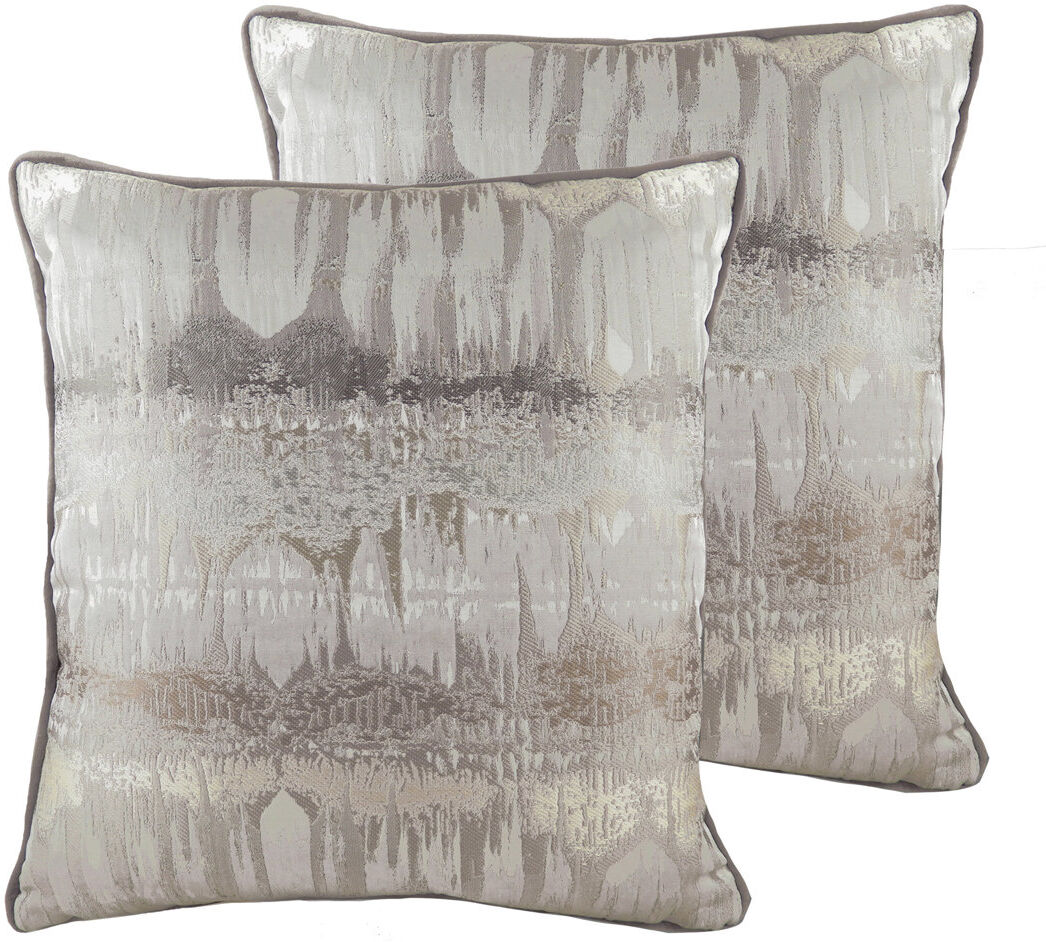
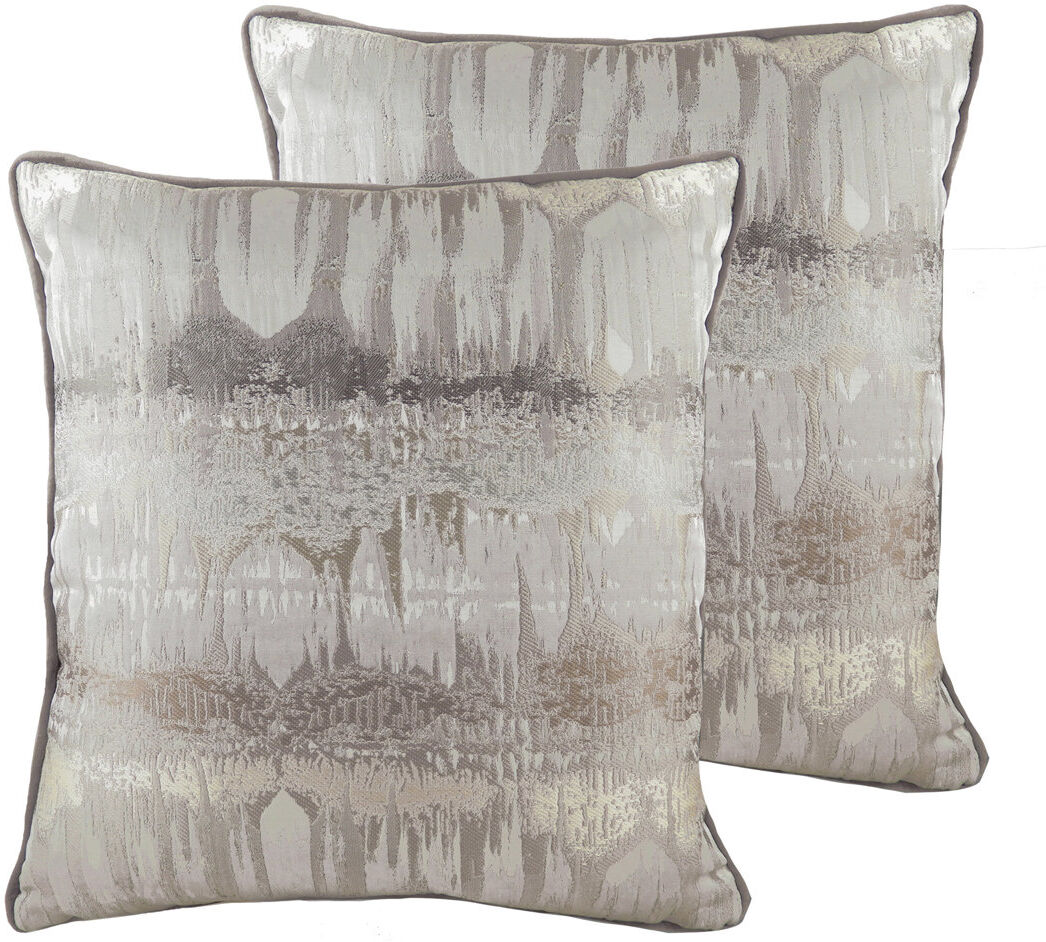
Evans Lichfield Inca Abstract Square Cushion Silver/Polyester 56cm H x 56cm W x 4cm DReminiscent of ancient Peruvian artwork, this cushion will introduce a luxurious and textured feel to your interior with metallic gold and silver elements and bold Velvet feel reverse and piping. Evans Lichfield Size: 56cm H x 56cm W x 4cm D, Colour: Silver, Fill Material: Polyester45,99 £*Shipping: 4,99 £Secure redirect to the provider
-
Evans Lichfield Inca Abstract Square Cushion Cream/Mocha/Feathers 56cm H x 56cm W x 4cm DReminiscent of ancient Peruvian artwork, this cushion will introduce a luxurious and textured feel to your interior with metallic gold and silver elements and bold Velvet feel reverse and piping. Evans Lichfield Colour: Cream/Mocha, Size: 56cm H x 56cm W x 4cm D, Fill Material: Feathers60,99 £*Shipping: 0,00 £Secure redirect to the provider
-
Evans Lichfield Inca Abstract Square Cushion Cream/Mocha/Polyester 56cm H x 56cm W x 4cm DReminiscent of ancient Peruvian artwork, this cushion will introduce a luxurious and textured feel to your interior with metallic gold and silver elements and bold Velvet feel reverse and piping. Evans Lichfield Colour: Cream/Mocha, Size: 56cm H x 56cm W x 4cm D, Fill Material: Polyester45,99 £*Shipping: 4,99 £Secure redirect to the provider
-
Gretsch Synchromatic 200 Sunburst c.1940s Vintage Archtop Acoustic Guitar Vintage Sunburst - RefurbishedThis is an incredible Gretsch Synchromatic 200 in Sunburst finish. This model was introduced by the original incarnation of Gretsch in 1939. The company was founded in Brooklyn, New York in 1883 by Friedrich Gretsch, initially as a drum manufacturer. The Synchromatic 200 was introduced in 1939 and discontinued by 1946. The serial number of this instrument is 3 digits handwritten on the inside of the body, indicating that it was made before Gretsch changed their serial number system in 1945/6. The Synchromatic 200 is an archtop acoustic guitar which features a set-neck construction comprising a Spruce top, Maple back and sides, Maple neck and 20 fret Rosewood fingerboard inlaid with Abalone blocks. The body is double-bound, with cateye soundholes, 'stairstep' Rosewood bridge, gold 'Harp' tailpiece & gold open-geared tuning machines. This particular instrument has been fitted with an Artec MHPA95-GD Mini Humbucker, which is wired directly to a 3.5mm output jack mounted discreetly under the pickguard. The Maple neck plays very well, with a profile which can be described as Asymmetrical; considerably shallower on the treble side and deeper on the bass side. This is certainly a unique playing experience when compared with modern guitars, and provides the Synchromatic 200 with a sense of exclusivity, which along with the playwear that the neck has developed over the years is very inspiring in the hands. The Rosewood of the fingerboard is pleasant under the fingers, with a 10" radius that is practical for a wide range of playing styles and techniques. The large Abalone block inlays add a touch of luxury, reminding the player of Gretsch's golden age. The acoustic voice of the Synchromatic 200 is distinctly archtop, with a dark and mellow tone that is perfect for jazz playing. Thanks to the large stature of the body and the twin large soundholes, the instrument projects very well and produces plenty of volume. The addition of the Artec MHPA95-GD Mini Humbucker adds the versatility required for live and recording situations, and despite its lack of on-board control produces a rich, mellow tone which is highly usable in a wide range of musical contexts. This is a beautifully preserved example of Gretsch's early work, which remains beautifully practical and playable today.3230,00 £*Shipping: 0,00 £Secure redirect to the provider



-
How large was the Inca Empire?
The Inca Empire was the largest empire in pre-Columbian America, stretching along the western coast of South America for over 2,500 miles. At its height, it covered an area of approximately 772,204 square miles, making it one of the largest empires in the world at the time. The empire included parts of present-day Peru, Ecuador, Bolivia, Chile, and Argentina, and was home to millions of people from diverse ethnic and linguistic backgrounds. The Inca Empire was known for its advanced infrastructure, including an extensive road system and impressive architecture, such as the famous city of Machu Picchu. **
-
By whom was the Inca Empire destroyed?
The Inca Empire was destroyed by the Spanish conquistadors led by Francisco Pizarro. In 1532, Pizarro and his men captured the Inca emperor Atahualpa and eventually overthrew the Inca Empire. The Spanish conquest brought about the downfall of the Inca civilization and led to the colonization of the region by the Spanish. **
-
What is Catan: Rise of the Inca?
Catan: Rise of the Inca is an expansion for the popular board game Catan. It introduces new mechanics and components inspired by the Inca civilization, such as llama trade routes and unique building rules. Players can explore and settle the Incan lands while competing for resources and building their civilizations. The expansion adds a fresh twist to the classic Catan gameplay, offering new strategies and challenges for both new and experienced players. **
-
Is there still the Inca 2 today?
No, the Inca Empire no longer exists today. The Inca Empire was the largest empire in pre-Columbian America, and it was conquered by the Spanish in the 16th century. The Inca civilization and its culture have left a lasting impact on the Andean region, and their descendants still live in the area today, but the empire itself no longer exists. **


How can one fully enjoy the Inca Trail?
To fully enjoy the Inca Trail, one should take the time to appreciate the stunning natural beauty of the Andes mountains and the diverse ecosystems along the trail. It's important to be physically prepared for the trek by training and acclimatizing to the altitude. Additionally, taking the time to learn about the history and significance of the Inca Trail and its archaeological sites, such as Machu Picchu, can enhance the experience. Finally, being mindful and respectful of the environment and local culture, and taking the time to connect with fellow trekkers and guides can also contribute to a fulfilling experience on the Inca Trail. **
Did the Maya, the Inca, and the ancient Egyptians...
The Maya, the Inca, and the ancient Egyptians were all advanced civilizations that made significant contributions to human history. They each developed complex societies with sophisticated architecture, writing systems, and agricultural practices. However, they were located in different regions of the world and had distinct cultural and religious beliefs. While they all achieved great advancements in their respective societies, they did not have direct contact or influence on each other due to their geographical separation. **
Top-Angebote
Products related to Inca:
-
Brewster Inca Paintable Tribal Wallpaper - 20 x 396 x 0.025Simple raised shapes make up small squares that intersect to form a larger pattern. The historically inspired design could be painted in rich earth tones to enhance the organic look. Inca is an unpasted, vinyl wallpaper.66,99 $*Shipping: 0,00 $Secure redirect to the provider
-
Evans Lichfield Inca Abstract Square Cushion Silver/Feathers 56cm H x 56cm W x 4cm DReminiscent of ancient Peruvian artwork, this cushion will introduce a luxurious and textured feel to your interior with metallic gold and silver elements and bold Velvet feel reverse and piping. Evans Lichfield Size: 56cm H x 56cm W x 4cm D, Colour: Silver, Fill Material: Feathers61,99 £*Shipping: 0,00 £Secure redirect to the provider
-
Evans Lichfield Inca Abstract Square Cushion Silver/Polyester 56cm H x 56cm W x 4cm DReminiscent of ancient Peruvian artwork, this cushion will introduce a luxurious and textured feel to your interior with metallic gold and silver elements and bold Velvet feel reverse and piping. Evans Lichfield Size: 56cm H x 56cm W x 4cm D, Colour: Silver, Fill Material: Polyester45,99 £*Shipping: 4,99 £Secure redirect to the provider
-
Evans Lichfield Inca Abstract Square Cushion Cream/Mocha/Feathers 56cm H x 56cm W x 4cm DReminiscent of ancient Peruvian artwork, this cushion will introduce a luxurious and textured feel to your interior with metallic gold and silver elements and bold Velvet feel reverse and piping. Evans Lichfield Colour: Cream/Mocha, Size: 56cm H x 56cm W x 4cm D, Fill Material: Feathers60,99 £*Shipping: 0,00 £Secure redirect to the provider
-
What is the history of the conquest of the Inca Empire?
The conquest of the Inca Empire began in 1532 when the Spanish conquistador Francisco Pizarro and his men arrived in the Inca territory, seeking to conquer and colonize the region. Pizarro took advantage of the internal divisions within the Inca Empire and formed alliances with local indigenous groups who were unhappy with Inca rule. This allowed the Spanish to defeat the Inca forces and capture their leader, Atahualpa, in the Battle of Cajamarca. Despite paying a ransom, Atahualpa was eventually executed by the Spanish, leading to further conflict and the eventual fall of the Inca Empire. The conquest of the Inca Empire marked the beginning of Spanish colonization in South America and the end of the Inca civilization. **
-
Why didn't the Inca conquer Spain?
The Inca did not conquer Spain because they were located in South America, while Spain is in Europe. The Inca Empire was focused on expanding and consolidating power in the Andean region, rather than looking to conquer territories across the ocean. Additionally, the Inca did not have the naval technology or resources to launch an invasion of Spain. The geographical distance, lack of naval power, and focus on regional expansion all contributed to the Inca not attempting to conquer Spain. **
-
How large was the Inca Empire?
The Inca Empire was the largest empire in pre-Columbian America, stretching along the western coast of South America for over 2,500 miles. At its height, it covered an area of approximately 772,204 square miles, making it one of the largest empires in the world at the time. The empire included parts of present-day Peru, Ecuador, Bolivia, Chile, and Argentina, and was home to millions of people from diverse ethnic and linguistic backgrounds. The Inca Empire was known for its advanced infrastructure, including an extensive road system and impressive architecture, such as the famous city of Machu Picchu. **
-
By whom was the Inca Empire destroyed?
The Inca Empire was destroyed by the Spanish conquistadors led by Francisco Pizarro. In 1532, Pizarro and his men captured the Inca emperor Atahualpa and eventually overthrew the Inca Empire. The Spanish conquest brought about the downfall of the Inca civilization and led to the colonization of the region by the Spanish. **
Similar search terms for Inca
-
Evans Lichfield Inca Abstract Square Cushion Cream/Mocha/Polyester 56cm H x 56cm W x 4cm DReminiscent of ancient Peruvian artwork, this cushion will introduce a luxurious and textured feel to your interior with metallic gold and silver elements and bold Velvet feel reverse and piping. Evans Lichfield Colour: Cream/Mocha, Size: 56cm H x 56cm W x 4cm D, Fill Material: Polyester45,99 £*Shipping: 4,99 £Secure redirect to the provider
-
Gretsch Synchromatic 200 Sunburst c.1940s Vintage Archtop Acoustic Guitar Vintage Sunburst - RefurbishedThis is an incredible Gretsch Synchromatic 200 in Sunburst finish. This model was introduced by the original incarnation of Gretsch in 1939. The company was founded in Brooklyn, New York in 1883 by Friedrich Gretsch, initially as a drum manufacturer. The Synchromatic 200 was introduced in 1939 and discontinued by 1946. The serial number of this instrument is 3 digits handwritten on the inside of the body, indicating that it was made before Gretsch changed their serial number system in 1945/6. The Synchromatic 200 is an archtop acoustic guitar which features a set-neck construction comprising a Spruce top, Maple back and sides, Maple neck and 20 fret Rosewood fingerboard inlaid with Abalone blocks. The body is double-bound, with cateye soundholes, 'stairstep' Rosewood bridge, gold 'Harp' tailpiece & gold open-geared tuning machines. This particular instrument has been fitted with an Artec MHPA95-GD Mini Humbucker, which is wired directly to a 3.5mm output jack mounted discreetly under the pickguard. The Maple neck plays very well, with a profile which can be described as Asymmetrical; considerably shallower on the treble side and deeper on the bass side. This is certainly a unique playing experience when compared with modern guitars, and provides the Synchromatic 200 with a sense of exclusivity, which along with the playwear that the neck has developed over the years is very inspiring in the hands. The Rosewood of the fingerboard is pleasant under the fingers, with a 10" radius that is practical for a wide range of playing styles and techniques. The large Abalone block inlays add a touch of luxury, reminding the player of Gretsch's golden age. The acoustic voice of the Synchromatic 200 is distinctly archtop, with a dark and mellow tone that is perfect for jazz playing. Thanks to the large stature of the body and the twin large soundholes, the instrument projects very well and produces plenty of volume. The addition of the Artec MHPA95-GD Mini Humbucker adds the versatility required for live and recording situations, and despite its lack of on-board control produces a rich, mellow tone which is highly usable in a wide range of musical contexts. This is a beautifully preserved example of Gretsch's early work, which remains beautifully practical and playable today.3230,00 £*Shipping: 0,00 £Secure redirect to the provider
-
Quercus Damien Lewis 5 Books Collection Set – SAS Great Escapes & Military History CollectionThe Ministry of Ungentlemanly Warfare In the bleak moments after defeat on mainland Europe in winter 1939, wartime leader Winston Churchill knew that Britain had to strike back hard. He recruited a band of eccentric free-thinking warriors to become the first 'deniable' secret operatives behind enemy lines, offering these volunteers nothing but the potential for glory and all-but-certain death. SAS Great Escapes Three SAS Great Escapes Three recounts how warriors of the world's most famous fighting force, the SAS, carried out five of the most daring escapes of World War Two. Ranging from the very birth of the SAS, to the post D-Day battles for Nazi-occupied Europe, these gripping true stories cover some of the most iconic operations of the regiment, and its key characters, while also including untold tales of courage and endurance beyond compare. SAS Forged in Hell The incredible true story of the SAS's mission to liberate Europe, featuring never-before-seen archive materialFROM BESTSELLING MILITARY HISTORIAN DAMIEN LEWISSummer, 1943: the largest invasion fleet ever assembled sailed for Europe, aiming to bulldoze its way onto Nazi shores. At its vanguard went a few hundred elite soldiers, their Royal Navy warship bearing the iconic motto 'Who Dares Wins'. The aim: Led by the legendary SAS commander Blair 'Paddy' Mayne, these war-bitten, piratical raiders were tasked to do the impossible - to bulldoze their way onto the most heavily defended Nazi shores - against all odds, outnumbered fifty-to-one. SAS Ghost Patrol SAS Ghost Patrol is the explosive true story of the day in 1942 when the SAS donned Nazi uniforms to perpetrate the most audacious and daring mission of the war. Beyond top secret, deniable in the extreme (and of course enjoying Churchill's enthusiastic blessing), this is one of the most remarkable stories of wartime lawlessness, eccentricity and raw courage in the face of impossible odds - a thoroughly British undertaking. Zero Six Bravo The Sunday Times No.1 bestseller. 'Sixty special forces against 100,000 - a feat of British arms to take the breath away' Frederick Forsyth. They were branded as cowards and accused of being the British Special Forces Squadron that ran away from the Iraqis. But nothing could be further from the truth. Ten years on, the story of these sixty men can finally be told. In March 2003 M Squadron - an SBS unit with SAS embeds - was sent 1,000 kilometres behind enemy lines on a true mission impossible, to take the surrender of the 100,000-strong Iraqi Army 5th Corps.15,89 £*Shipping: 2,99 £Secure redirect to the provider
-
What is Catan: Rise of the Inca?
Catan: Rise of the Inca is an expansion for the popular board game Catan. It introduces new mechanics and components inspired by the Inca civilization, such as llama trade routes and unique building rules. Players can explore and settle the Incan lands while competing for resources and building their civilizations. The expansion adds a fresh twist to the classic Catan gameplay, offering new strategies and challenges for both new and experienced players. **
-
Is there still the Inca 2 today?
No, the Inca Empire no longer exists today. The Inca Empire was the largest empire in pre-Columbian America, and it was conquered by the Spanish in the 16th century. The Inca civilization and its culture have left a lasting impact on the Andean region, and their descendants still live in the area today, but the empire itself no longer exists. **
-
How can one fully enjoy the Inca Trail?
To fully enjoy the Inca Trail, one should take the time to appreciate the stunning natural beauty of the Andes mountains and the diverse ecosystems along the trail. It's important to be physically prepared for the trek by training and acclimatizing to the altitude. Additionally, taking the time to learn about the history and significance of the Inca Trail and its archaeological sites, such as Machu Picchu, can enhance the experience. Finally, being mindful and respectful of the environment and local culture, and taking the time to connect with fellow trekkers and guides can also contribute to a fulfilling experience on the Inca Trail. **
-
Did the Maya, the Inca, and the ancient Egyptians...
The Maya, the Inca, and the ancient Egyptians were all advanced civilizations that made significant contributions to human history. They each developed complex societies with sophisticated architecture, writing systems, and agricultural practices. However, they were located in different regions of the world and had distinct cultural and religious beliefs. While they all achieved great advancements in their respective societies, they did not have direct contact or influence on each other due to their geographical separation. **
* All prices are inclusive of VAT and, if applicable, plus shipping costs. The offer information is based on the details provided by the respective shop and is updated through automated processes. Real-time updates do not occur, so deviations can occur in individual cases. ** Note: Parts of this content were created by AI.