Buy mis1943.eu ?
We are moving the project
mis1943.eu .
Are you interested in purchasing the domain
mis1943.eu ?
domain@kv-gmbh.de · 0541-91531010
Buy mis1943.eu ?
What are biblical archetypes?
Biblical archetypes are recurring symbols, characters, or themes found throughout the Bible that represent universal human experiences, emotions, or truths. These archetypes often serve as a model or pattern for understanding and interpreting the world and our own lives. Examples of biblical archetypes include the hero, the villain, the journey, the sacrifice, and the redemption, which can be found in various stories and characters throughout the Bible. These archetypes provide a framework for understanding the human condition and the spiritual journey. **
What are the archetypes of C.G. Jung?
C.G. Jung identified several archetypes that he believed were universal symbols or themes that appear in the collective unconscious of all people. Some of the key archetypes include the persona (the social mask we present to the world), the shadow (the darker, unconscious side of our personality), the anima/animus (the feminine and masculine aspects within each individual), the self (the striving for wholeness and integration), and the hero (the figure who overcomes challenges and achieves greatness). Jung believed that recognizing and integrating these archetypes into our consciousness could lead to personal growth and self-realization. **


Similar search terms for Archetypes
Top-Angebote
Products related to Archetypes:
-
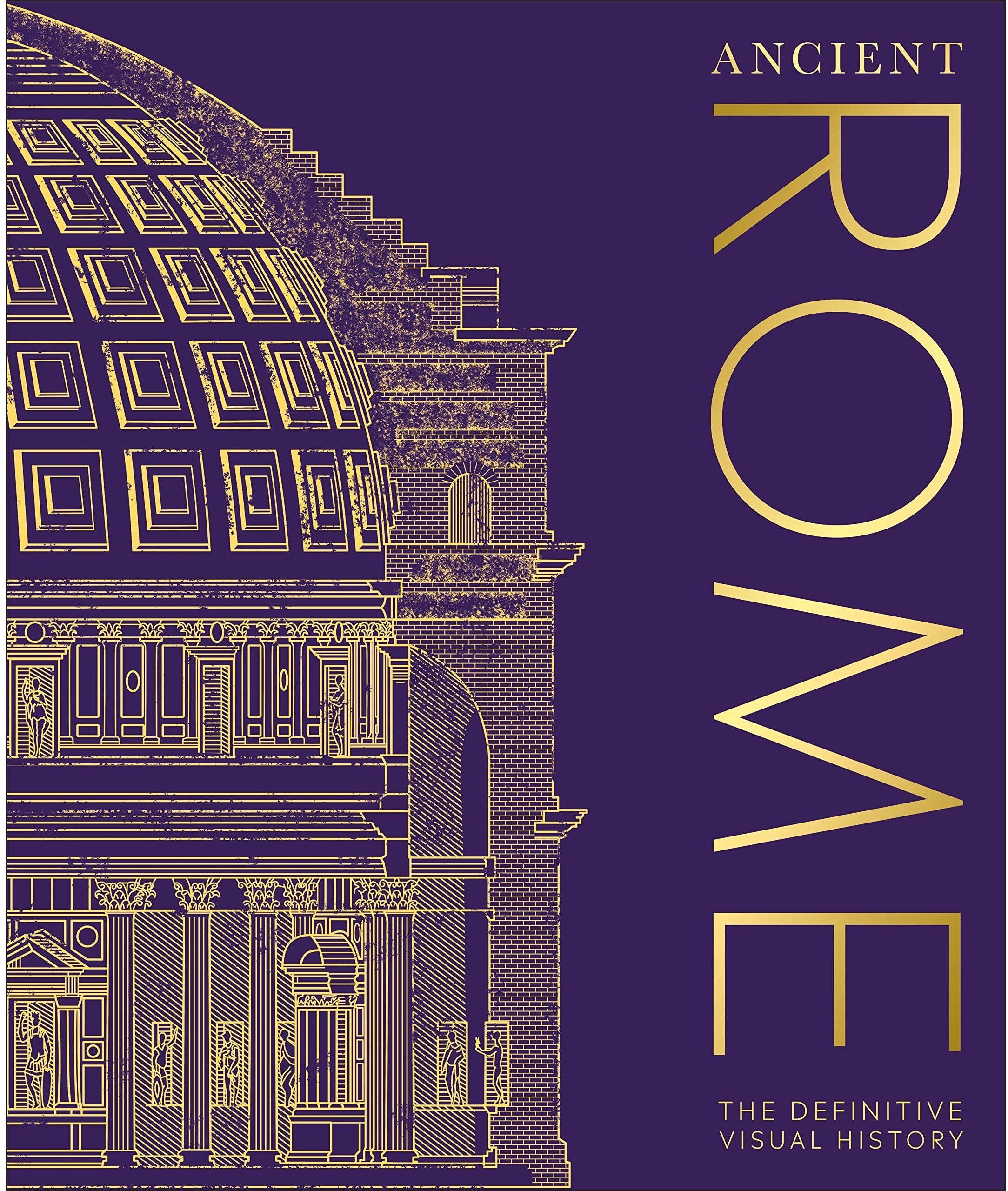
Ancient Rome: The Definitive Visual History (DK Classic History)Immerse yourself in the history of ancient Rome - from its origins as a small settlement on the Palatine Hill to its peak as an empire reigning over 90 million people, and its tumultuous decline. Covering more than 1,000 years of history, and an empire that stretched from Scotland to Syria, Ancient Rome reveals in vivid detail all of the key political, cultural, and military events that shaped the Roman Empire and explores what it was like to live in a society that laid the foundations for many aspects of the modern world. Sumptuous photography and engaging text cover every facet of life in ancient Rome, from art, entertainment, and fashion to engineering, medicine, and war, while detailed maps trace the rise of the mighty Roman Empire. Step back in time in the pages of this history book to discover:- Themed spreads explore developments in areas such as sculpture, religion, warfare, and engineering. - Includes tales of the most dramatic events and battles in Roman history, as well as profiles of influential historical and cultural figures. - An optional 80pp reference section includes sections on rulers, gods and goddesses, and key sites. Featuring Rome's greatest emperors, from Augustus to Constantine, as well as profiles of generals, historians, and influential women, Ancient Rome also delves into the fascinating stories of gladiators, bakers, and enslaved people. The most iconic buildings of Rome are brought to life with specially commissioned CGI recreations, while the stories of ordinary citizens, soldiers, and persecuted groups from across the empire are told with the help of illustrations, artefacts, and eyewitness accounts. Beautifully illustrated and unparalleled in scope, Ancient Rome is the perfect book for anyone who is interested in this defining period of world history.19,95 £*Shipping: 2,99 £Secure redirect to the provider
-
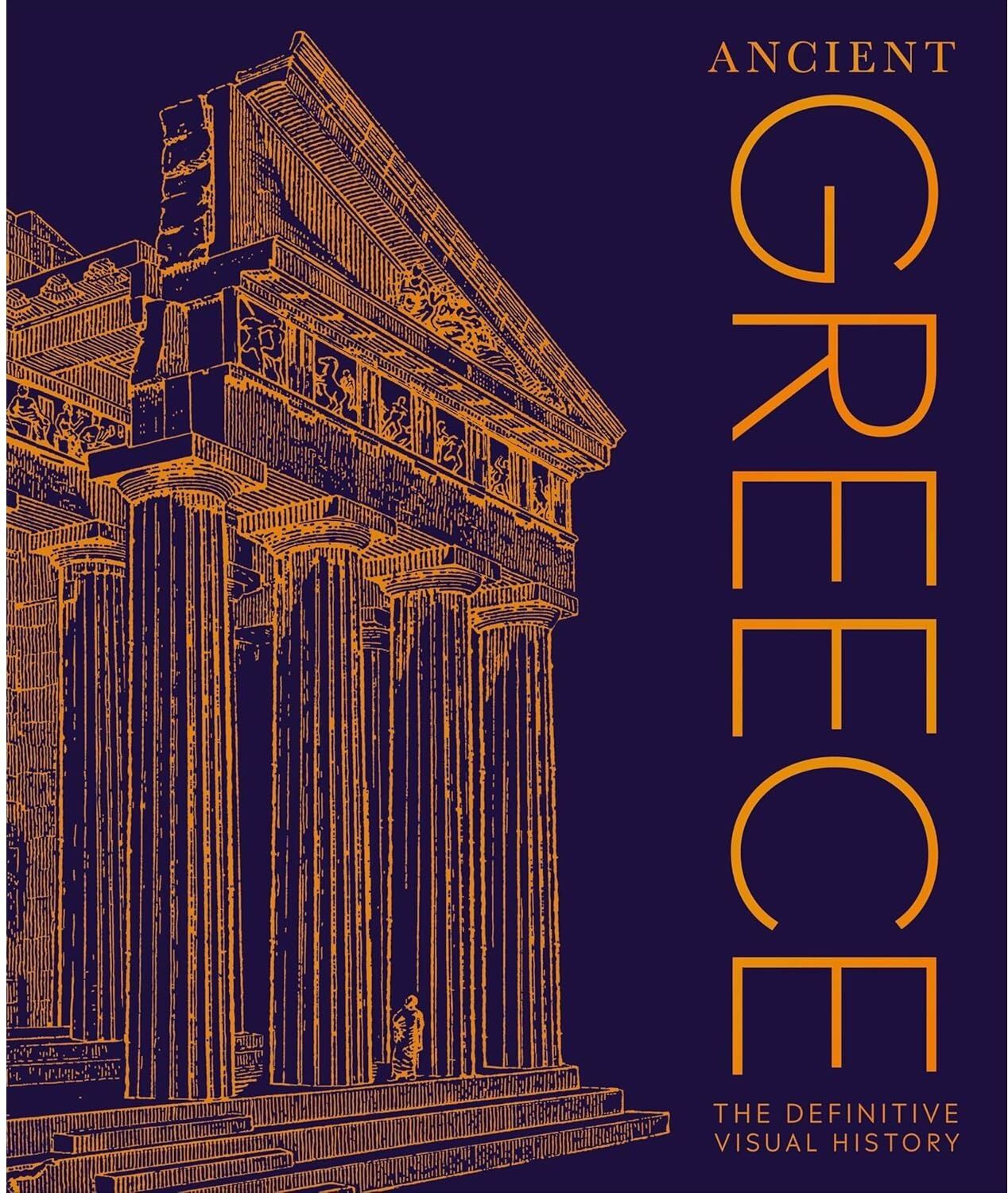
Ancient Greece: The Definitive Visual History (DK Classic History)Embark upon a fascinating journey through ancient Greece – from its rise and fall to its lasting legacy throughout the Western world. Spanning more than 3,000 years, Ancient Greece explores the tumultuous history of this glorious empire in vivid detail – from its Minoan and Mycenaean origins to the apogee of the warring city-states of Athens and Sparta, and from the death of its most charismatic leader, Alexander the Great, to its ultimate defeat by Rome. Sumptuous photography and authoritative, engaging text cover every facet of life in ancient Greece, from art, entertainment, and schools of thought to politics, medicine, and war, while the myths and religious beliefs of the ancient culture are explored and explained in depth. Greece’s military and political power shines through in fascinating maps of its legendary battles. Buried palaces and the Athenian Agora where Plato and Socrates discussed philosophy are brought back to life with stunning CGI artworks. And the stories of everyone from ordinary citizens to lawmakers and the first Olympic athletes are retold through eyewitness accounts and original artefacts.19,99 £*Shipping: 2,99 £Secure redirect to the provider
-
Arcturus The World War II 5 Books Collection Set – D-Day, Nuremberg Trials & Military History CollectionThis box set brings together five brilliant titles which recount the major events of World War II, from Dunkirk to the Nuremberg trials. With breakdowns of skilful military manoeuvres, chilling accounts of Nazi organisations and astounding details from the fall of Berlin, this collection chronicles the defeat of Germany and the Axis powers. These titles are: • Great Battles of World War II by Michael Dudley • The D-Day Landings by Nigel Cawthorne • Hitler's Last Day by Richard Dargie • The Story of the SS by Al Cimino • The Nuremberg Trials by Alexander Macdonald A great read for both military history enthusiasts and those eager to learn more about World War II.14,95 £*Shipping: 2,99 £Secure redirect to the provider
-
Perfect Picks Market Retro Military Watch Unisex Luxury Sport Watch With Movement vintage RedLooking for the perfect blend of style, functionality, and timeless design The THORN Retro Military Watch is here to elevate your wrist game. Designed for both men and women, this luxury sport watch boasts a 36mm case with the precision of the NH35A...269,97 $*Shipping: 0,00 $Secure redirect to the provider


-
Are there different soul types or family archetypes?
Yes, some belief systems and spiritual practices suggest that there are different soul types or family archetypes. These can include concepts such as old souls, young souls, warrior souls, healer souls, and more. Each soul type is believed to have unique characteristics, purposes, and lessons to learn in their lifetime. Understanding these soul types or family archetypes can help individuals gain insight into their own spiritual journey and relationships with others. **
-
What is the difference between archetypes and stereotypes?
Archetypes are universal symbols or themes that represent shared human experiences and emotions, often found in literature, mythology, and art. They are timeless and can be interpreted in various ways. On the other hand, stereotypes are oversimplified and generalized beliefs about a particular group of people, often based on assumptions or prejudices. Stereotypes can be harmful as they limit individuals to a narrow set of characteristics, while archetypes are more complex and can be used to explore deeper aspects of the human psyche. **
-
How can images and pictures be used as archetypes?
Images and pictures can be used as archetypes by representing universal symbols and themes that are deeply ingrained in the human psyche. For example, a picture of a mother and child can evoke the archetype of nurturing and protection. Similarly, an image of a tree can symbolize growth, strength, and connection to the earth. By tapping into these archetypal images, artists and storytellers can convey powerful and resonant messages that transcend cultural and linguistic barriers. Additionally, these archetypal images can evoke strong emotional responses and connect with audiences on a subconscious level. **
-
How can the difference between the collective unconscious and archetypes be explained simply?
The collective unconscious is a concept introduced by Carl Jung, which refers to the shared reservoir of memories and experiences that all humans inherit. Archetypes, on the other hand, are universal symbols or themes that arise from the collective unconscious and are expressed in various cultures and individuals. In simpler terms, the collective unconscious is like a vast library of human experiences, while archetypes are the common themes or characters found within that library that appear in myths, stories, and dreams. **


How can the difference between the collective unconscious and the archetypes be explained simply?
The collective unconscious is a shared reservoir of memories and experiences that all humans inherit from their ancestors, while archetypes are universal symbols or themes that arise from the collective unconscious. In simpler terms, the collective unconscious is like a vast library of human experiences that we all have access to, while archetypes are the common patterns or characters that appear in myths, stories, and dreams. Essentially, the collective unconscious is the source, and archetypes are the recurring themes or symbols that emerge from it. **
How can the difference between the collective unconscious and the archetypes be simply explained?
The collective unconscious refers to the shared reservoir of memories, experiences, and images that are inherited from our ancestors and are common to all humans. It is a part of the unconscious mind that is shared by all people across cultures. On the other hand, archetypes are universal symbols and patterns that emerge from the collective unconscious. They are recurring themes or motifs that are present in myths, stories, and dreams and represent fundamental human experiences and emotions. In simple terms, the collective unconscious is the deep well of shared human experiences, while archetypes are the specific symbols and patterns that arise from this collective unconscious. **
Top-Angebote
Products related to Archetypes:
-
Gretsch Synchromatic 200 Sunburst c.1940s Vintage Archtop Acoustic Guitar Vintage Sunburst - RefurbishedThis is an incredible Gretsch Synchromatic 200 in Sunburst finish. This model was introduced by the original incarnation of Gretsch in 1939. The company was founded in Brooklyn, New York in 1883 by Friedrich Gretsch, initially as a drum manufacturer. The Synchromatic 200 was introduced in 1939 and discontinued by 1946. The serial number of this instrument is 3 digits handwritten on the inside of the body, indicating that it was made before Gretsch changed their serial number system in 1945/6. The Synchromatic 200 is an archtop acoustic guitar which features a set-neck construction comprising a Spruce top, Maple back and sides, Maple neck and 20 fret Rosewood fingerboard inlaid with Abalone blocks. The body is double-bound, with cateye soundholes, 'stairstep' Rosewood bridge, gold 'Harp' tailpiece & gold open-geared tuning machines. This particular instrument has been fitted with an Artec MHPA95-GD Mini Humbucker, which is wired directly to a 3.5mm output jack mounted discreetly under the pickguard. The Maple neck plays very well, with a profile which can be described as Asymmetrical; considerably shallower on the treble side and deeper on the bass side. This is certainly a unique playing experience when compared with modern guitars, and provides the Synchromatic 200 with a sense of exclusivity, which along with the playwear that the neck has developed over the years is very inspiring in the hands. The Rosewood of the fingerboard is pleasant under the fingers, with a 10" radius that is practical for a wide range of playing styles and techniques. The large Abalone block inlays add a touch of luxury, reminding the player of Gretsch's golden age. The acoustic voice of the Synchromatic 200 is distinctly archtop, with a dark and mellow tone that is perfect for jazz playing. Thanks to the large stature of the body and the twin large soundholes, the instrument projects very well and produces plenty of volume. The addition of the Artec MHPA95-GD Mini Humbucker adds the versatility required for live and recording situations, and despite its lack of on-board control produces a rich, mellow tone which is highly usable in a wide range of musical contexts. This is a beautifully preserved example of Gretsch's early work, which remains beautifully practical and playable today.3230,00 £*Shipping: 0,00 £Secure redirect to the provider
-
Quercus Damien Lewis 5 Books Collection Set – SAS Great Escapes & Military History CollectionThe Ministry of Ungentlemanly Warfare In the bleak moments after defeat on mainland Europe in winter 1939, wartime leader Winston Churchill knew that Britain had to strike back hard. He recruited a band of eccentric free-thinking warriors to become the first 'deniable' secret operatives behind enemy lines, offering these volunteers nothing but the potential for glory and all-but-certain death. SAS Great Escapes Three SAS Great Escapes Three recounts how warriors of the world's most famous fighting force, the SAS, carried out five of the most daring escapes of World War Two. Ranging from the very birth of the SAS, to the post D-Day battles for Nazi-occupied Europe, these gripping true stories cover some of the most iconic operations of the regiment, and its key characters, while also including untold tales of courage and endurance beyond compare. SAS Forged in Hell The incredible true story of the SAS's mission to liberate Europe, featuring never-before-seen archive materialFROM BESTSELLING MILITARY HISTORIAN DAMIEN LEWISSummer, 1943: the largest invasion fleet ever assembled sailed for Europe, aiming to bulldoze its way onto Nazi shores. At its vanguard went a few hundred elite soldiers, their Royal Navy warship bearing the iconic motto 'Who Dares Wins'. The aim: Led by the legendary SAS commander Blair 'Paddy' Mayne, these war-bitten, piratical raiders were tasked to do the impossible - to bulldoze their way onto the most heavily defended Nazi shores - against all odds, outnumbered fifty-to-one. SAS Ghost Patrol SAS Ghost Patrol is the explosive true story of the day in 1942 when the SAS donned Nazi uniforms to perpetrate the most audacious and daring mission of the war. Beyond top secret, deniable in the extreme (and of course enjoying Churchill's enthusiastic blessing), this is one of the most remarkable stories of wartime lawlessness, eccentricity and raw courage in the face of impossible odds - a thoroughly British undertaking. Zero Six Bravo The Sunday Times No.1 bestseller. 'Sixty special forces against 100,000 - a feat of British arms to take the breath away' Frederick Forsyth. They were branded as cowards and accused of being the British Special Forces Squadron that ran away from the Iraqis. But nothing could be further from the truth. Ten years on, the story of these sixty men can finally be told. In March 2003 M Squadron - an SBS unit with SAS embeds - was sent 1,000 kilometres behind enemy lines on a true mission impossible, to take the surrender of the 100,000-strong Iraqi Army 5th Corps.15,89 £*Shipping: 2,99 £Secure redirect to the provider
-
Ancient Rome: The Definitive Visual History (DK Classic History)Immerse yourself in the history of ancient Rome - from its origins as a small settlement on the Palatine Hill to its peak as an empire reigning over 90 million people, and its tumultuous decline. Covering more than 1,000 years of history, and an empire that stretched from Scotland to Syria, Ancient Rome reveals in vivid detail all of the key political, cultural, and military events that shaped the Roman Empire and explores what it was like to live in a society that laid the foundations for many aspects of the modern world. Sumptuous photography and engaging text cover every facet of life in ancient Rome, from art, entertainment, and fashion to engineering, medicine, and war, while detailed maps trace the rise of the mighty Roman Empire. Step back in time in the pages of this history book to discover:- Themed spreads explore developments in areas such as sculpture, religion, warfare, and engineering. - Includes tales of the most dramatic events and battles in Roman history, as well as profiles of influential historical and cultural figures. - An optional 80pp reference section includes sections on rulers, gods and goddesses, and key sites. Featuring Rome's greatest emperors, from Augustus to Constantine, as well as profiles of generals, historians, and influential women, Ancient Rome also delves into the fascinating stories of gladiators, bakers, and enslaved people. The most iconic buildings of Rome are brought to life with specially commissioned CGI recreations, while the stories of ordinary citizens, soldiers, and persecuted groups from across the empire are told with the help of illustrations, artefacts, and eyewitness accounts. Beautifully illustrated and unparalleled in scope, Ancient Rome is the perfect book for anyone who is interested in this defining period of world history.19,95 £*Shipping: 2,99 £Secure redirect to the provider
-
Ancient Greece: The Definitive Visual History (DK Classic History)Embark upon a fascinating journey through ancient Greece – from its rise and fall to its lasting legacy throughout the Western world. Spanning more than 3,000 years, Ancient Greece explores the tumultuous history of this glorious empire in vivid detail – from its Minoan and Mycenaean origins to the apogee of the warring city-states of Athens and Sparta, and from the death of its most charismatic leader, Alexander the Great, to its ultimate defeat by Rome. Sumptuous photography and authoritative, engaging text cover every facet of life in ancient Greece, from art, entertainment, and schools of thought to politics, medicine, and war, while the myths and religious beliefs of the ancient culture are explored and explained in depth. Greece’s military and political power shines through in fascinating maps of its legendary battles. Buried palaces and the Athenian Agora where Plato and Socrates discussed philosophy are brought back to life with stunning CGI artworks. And the stories of everyone from ordinary citizens to lawmakers and the first Olympic athletes are retold through eyewitness accounts and original artefacts.19,99 £*Shipping: 2,99 £Secure redirect to the provider
-
What are biblical archetypes?
Biblical archetypes are recurring symbols, characters, or themes found throughout the Bible that represent universal human experiences, emotions, or truths. These archetypes often serve as a model or pattern for understanding and interpreting the world and our own lives. Examples of biblical archetypes include the hero, the villain, the journey, the sacrifice, and the redemption, which can be found in various stories and characters throughout the Bible. These archetypes provide a framework for understanding the human condition and the spiritual journey. **
-
What are the archetypes of C.G. Jung?
C.G. Jung identified several archetypes that he believed were universal symbols or themes that appear in the collective unconscious of all people. Some of the key archetypes include the persona (the social mask we present to the world), the shadow (the darker, unconscious side of our personality), the anima/animus (the feminine and masculine aspects within each individual), the self (the striving for wholeness and integration), and the hero (the figure who overcomes challenges and achieves greatness). Jung believed that recognizing and integrating these archetypes into our consciousness could lead to personal growth and self-realization. **
-
Are there different soul types or family archetypes?
Yes, some belief systems and spiritual practices suggest that there are different soul types or family archetypes. These can include concepts such as old souls, young souls, warrior souls, healer souls, and more. Each soul type is believed to have unique characteristics, purposes, and lessons to learn in their lifetime. Understanding these soul types or family archetypes can help individuals gain insight into their own spiritual journey and relationships with others. **
-
What is the difference between archetypes and stereotypes?
Archetypes are universal symbols or themes that represent shared human experiences and emotions, often found in literature, mythology, and art. They are timeless and can be interpreted in various ways. On the other hand, stereotypes are oversimplified and generalized beliefs about a particular group of people, often based on assumptions or prejudices. Stereotypes can be harmful as they limit individuals to a narrow set of characteristics, while archetypes are more complex and can be used to explore deeper aspects of the human psyche. **
Similar search terms for Archetypes
-
Arcturus The World War II 5 Books Collection Set – D-Day, Nuremberg Trials & Military History CollectionThis box set brings together five brilliant titles which recount the major events of World War II, from Dunkirk to the Nuremberg trials. With breakdowns of skilful military manoeuvres, chilling accounts of Nazi organisations and astounding details from the fall of Berlin, this collection chronicles the defeat of Germany and the Axis powers. These titles are: • Great Battles of World War II by Michael Dudley • The D-Day Landings by Nigel Cawthorne • Hitler's Last Day by Richard Dargie • The Story of the SS by Al Cimino • The Nuremberg Trials by Alexander Macdonald A great read for both military history enthusiasts and those eager to learn more about World War II.14,95 £*Shipping: 2,99 £Secure redirect to the provider
-
Perfect Picks Market Retro Military Watch Unisex Luxury Sport Watch With Movement vintage RedLooking for the perfect blend of style, functionality, and timeless design The THORN Retro Military Watch is here to elevate your wrist game. Designed for both men and women, this luxury sport watch boasts a 36mm case with the precision of the NH35A...269,97 $*Shipping: 0,00 $Secure redirect to the provider
-
Vintage Curio Display Cabinet With Glass Doors - Antique Showcase For Collectibles- **Chic Retro Design**: Elevate your home decor with our beautifully designed two-door glass cabinet, blending vintage charm with contemporary functionality. It serves as a striking centerpiece for any room475,49 $*Shipping: 0,00 $Secure redirect to the provider
-
Skip's Garage Vintage Military Cornhole Boards"Includes: (2) ACA Regulation Size Cornhole Boards. Boards are Regulation 24"" Wide x 48"" Long. Easily Add All-Weather Resin Filled Bags. Add Accessories like a Carrying Case or Board Lights. Lights are Multicolor and Easily Change Colors & Modes."304,49 $*Shipping: 0,00 $Secure redirect to the provider
-
How can images and pictures be used as archetypes?
Images and pictures can be used as archetypes by representing universal symbols and themes that are deeply ingrained in the human psyche. For example, a picture of a mother and child can evoke the archetype of nurturing and protection. Similarly, an image of a tree can symbolize growth, strength, and connection to the earth. By tapping into these archetypal images, artists and storytellers can convey powerful and resonant messages that transcend cultural and linguistic barriers. Additionally, these archetypal images can evoke strong emotional responses and connect with audiences on a subconscious level. **
-
How can the difference between the collective unconscious and archetypes be explained simply?
The collective unconscious is a concept introduced by Carl Jung, which refers to the shared reservoir of memories and experiences that all humans inherit. Archetypes, on the other hand, are universal symbols or themes that arise from the collective unconscious and are expressed in various cultures and individuals. In simpler terms, the collective unconscious is like a vast library of human experiences, while archetypes are the common themes or characters found within that library that appear in myths, stories, and dreams. **
-
How can the difference between the collective unconscious and the archetypes be explained simply?
The collective unconscious is a shared reservoir of memories and experiences that all humans inherit from their ancestors, while archetypes are universal symbols or themes that arise from the collective unconscious. In simpler terms, the collective unconscious is like a vast library of human experiences that we all have access to, while archetypes are the common patterns or characters that appear in myths, stories, and dreams. Essentially, the collective unconscious is the source, and archetypes are the recurring themes or symbols that emerge from it. **
-
How can the difference between the collective unconscious and the archetypes be simply explained?
The collective unconscious refers to the shared reservoir of memories, experiences, and images that are inherited from our ancestors and are common to all humans. It is a part of the unconscious mind that is shared by all people across cultures. On the other hand, archetypes are universal symbols and patterns that emerge from the collective unconscious. They are recurring themes or motifs that are present in myths, stories, and dreams and represent fundamental human experiences and emotions. In simple terms, the collective unconscious is the deep well of shared human experiences, while archetypes are the specific symbols and patterns that arise from this collective unconscious. **
* All prices are inclusive of VAT and, if applicable, plus shipping costs. The offer information is based on the details provided by the respective shop and is updated through automated processes. Real-time updates do not occur, so deviations can occur in individual cases. ** Note: Parts of this content were created by AI.